The electronics world is changing fast, and the need for smart decision-making tools is more important than ever. If you’ve been following industry trends, you’ve probably seen reports predicting that the market for intelligent systems could hit over $200 billion by 2025—that’s pretty huge, and it’s mainly fueled by tech breakthroughs in networking and video tech. Here in China, Wuhan Xingtuxinke Electronic Co., Ltd. is really pushing the envelope. As a high-tech enterprise, we’re right at the forefront of this next big wave, focusing on creating solutions that boost smart perception, communication, and app development. We’re all about staying ahead of the curve through innovation, helping businesses meet the tricky industry standards, and giving them the tools to succeed in today’s competitive scene. When companies tap into intelligent decision-making, they can Streamline their operations and stay flexible in a constantly changing market. That way, they can grow sustainably and keep delivering top-notch service—that’s the goal, right?

Understanding the Impact of Industry Production Standards on Decision Making
You really can't underestimate how important industry production standards are—they're like the backbone that keeps everything on track. These standards are basically the rulebook that helps companies make sure their products are consistently good quality. They touch everything from how materials are chosen to the final quality checks, which means everyone from engineers to managers is following the same playbook. In today’s fast-changing markets, understanding and sticking to these standards is key if businesses want to stay competitive and avoid running into compliance issues.
On top of that, a lot of companies are now using smart decision-making tools to handle these standards more effectively. With the help of analytics and AI, they can sift through tons of data quickly, making well-informed choices in real-time. That’s a game-changer because it not only boosts efficiency but also sparks innovation, since businesses can spot new trends or regulatory updates faster than ever. By leveraging these smart solutions, companies can stay aligned with industry standards, which ultimately means better products and happier customers. Honestly, embracing these tech tools is pretty much essential if you want to keep up in today’s competitive landscape.
Navigating Industry Production Standards Challenges
Identifying Common Challenges in Meeting Production Standards
In today’s really fast-moving manufacturing world, hitting those production standards is more important than ever for keeping quality high and operations smooth. But let's be honest — companies often run into all sorts of challenges that make it tough to stay on track. One of the biggest issues? Not having access to real-time data and insights. Without up-to-the-minute info, it's easy for surprises to pop up—like delays or deviations—that throw a wrench in the process. When decision-makers don’t have clear, accurate info at their fingertips, it becomes a struggle to spot potential problems early on. That often leads to costly inefficiencies that could’ve been avoided.
And then there’s the whole coordination game. Different departments working together but not quite syncing up can cause miscommunications and misaligned goals. When teams aren’t on the same page, it can lead to discrepancies and make it way harder to stick to the standards we’re aiming for. This lack of harmony ripples through, potentially compromising product quality and even risking non-compliance with industry rules. The good news? By bringing in smarter decision-making tools, organizations can boost collaboration, make things run more smoothly, and tackle these typical hurdles head-on. It’s all about working smarter, not harder, you know?
Leveraging Intelligent Decision Making Technology for Compliance
In today’s fast-changing manufacturing world, sticking to industry standards isn’t just a good idea — it’s absolutely essential. That’s where Intelligent Decision Making (IDM) technology really comes into play. If your company’s been finding it tough to keep up with all those strict regulations, this tech might just be the game-changer you need. I read somewhere — McKinsey, I think — that companies using advanced analytics and decision systems can cut their compliance costs by up to 30%. Not only that, but they also reduce the chances of running into penalties for regulatory slip-ups. It’s a win-win: better compliance and smoother operations, since processes that once drained tons of resources now run a lot more efficiently.

By tapping into IDM tech, businesses can analyze loads of data on the fly, which means they can act faster and smarter. For example, a report from Boston Consulting Group shared that companies using intelligent systems for compliance saw their response times to issues improve by around 20%. When you bring these kinds of tools into your workflow, it’s easier to stay ahead of changing regulations and make sure everything’s up to scratch. Plus, it helps foster a culture of continuous improvement.
Combining data analytics with decision-making gives companies that extra edge — they can spot potential problems early and plan strategically to stay compliant without breaking a sweat.
Strategies for Implementing Intelligent Solutions in Production Processes
In today’s fast-changing manufacturing world, using smart solutions has really become essential if companies want to tackle the challenges of maintaining production standards. Everyone’s basically chasing that sweet spot of operational excellence, and that means putting more emphasis on strategies that harness the power of AI and the Internet of Things (IoT). When these tech tools are woven into the fabric of manufacturing processes, it’s easier to automate tasks, make smarter decisions, and even spark innovation across the board.
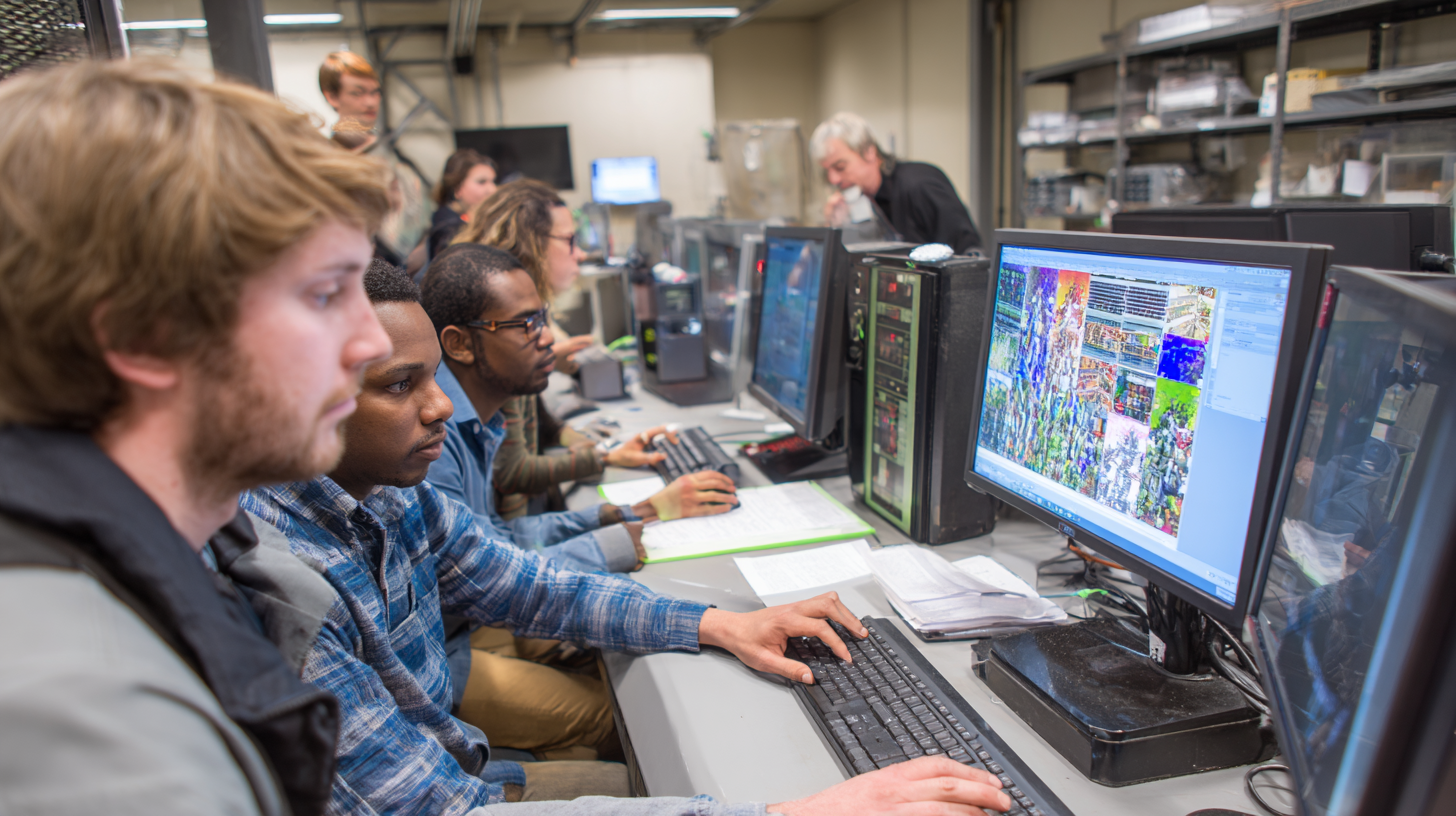
Lately, it’s clear that most manufacturers are doubling down on building a solid digital and data-driven foundation. It’s pretty impressive—over 85% of big corporations are now using AI tools. They're moving towards creating flexible, agile setups that help them extract real value from generative AI. This shift isn’t just about bumping up productivity; it also helps close the skills gap that’s been a pain point in the industry. It’s making the leap to more advanced manufacturing methods a bit smoother. As companies keep juggling the tricky standards of the manufacturing world, leaning into smart, data-driven decision-making will be absolutely key if they want to stay ahead in the era of smart manufacturing itself.
Case Studies: Success Stories of Intelligent Decision Making in Industry
Lately, industries have been feeling the heat to keep up with strict production standards, all while trying to stay efficient and cut costs. So, it's no surprise that smart decision-making tools are playing a bigger role than ever in helping tackle these challenges. For example, did you know that a study by McKinsey & Company found companies using advanced analytics can boost their productivity by about 20 to 30%? Pretty impressive, right? Plus, there's plenty of real-world stories from top manufacturers showing just how much these solutions can change the game.
 Take a global auto parts supplier, for instance—you know, a big car industry player. They implemented an AI-powered decision support system that crunches real-time data from their production lines. This helped them spot bottlenecks faster and streamline their workflows. Within the first year, they cut downtime by around 15% and dropped operational costs by about 10%. Another example is a food processing company that used machine learning to improve quality control. The result? A 25% drop in defective products and much better compliance with food safety rules.
All these stories really show how using smart tech isn’t just about ticking boxes on standards—it's also about driving innovation and growth, even in super competitive markets. It’s pretty clear that leveraging these technologies can seriously make a difference, both in daily operations and long-term success.
Future Trends in Production Standards and Decision Making Solutions
As industries keep changing and evolving, it’s become more important than ever to stay on top of production standards. New technologies are really shaking things up, giving companies smarter ways to monitor and meet these standards—making everything more efficient and eco-friendly, too. With things like AI and data analytics, businesses are now able to make smarter decisions—not just to improve how they make stuff, but also to predict future trends in compliance and quality. This means companies can react faster to market shifts or new regulations, helping them stay competitive in a tough world.
Looking ahead, I honestly think we’re gonna see more automation and smarter analytics being rolled out in production lines. Companies will probably start using more advanced algorithms that can crunch huge amounts of data on the fly, offering insights that help them optimize their operations. Plus, there’s this big push for sustainability—that means greener practices are gonna become a standard, supported by intelligent systems that make better use of resources without sacrificing quality. As everyone navigates through these changes, blending new tech with the old-school ways will be key in shaping the future of production standards.
Navigating Industry Production Standards Challenges with Intelligent Decision Making Solutions - Future Trends in Production Standards and Decision Making Solutions
| Industry | Current Production Standards | Challenges Faced | Intelligent Decision Making Solutions | Future Trends |
| Manufacturing | ISO 9001, Lean Manufacturing | Supply chain disruptions, Cost management | Predictive Analytics, AI-driven workflows | Automation, Enhanced quality control |
| Healthcare | HIPAA Compliance, ISO 13485 | Data privacy issues, Compliance costs | Machine Learning, Decision support systems | Telehealth, Personalized medicine |
| Food Production | HACCP, FDA Regulations | Traceability, Sustainability concerns | Blockchain for traceability, AI for quality assurance | Sustainable sourcing, Waste reduction technologies |
| Construction | OSHA Standards, LEED Certification | Safety concerns, Project delays | BIM, Resource optimization tools | Smart cities, Green building practices |
Enhancing Security with the Intelligent High-Compression Dome Camera: Features, Benefits, and Applications
In today's rapidly evolving technological landscape, security has become a paramount concern for both individuals and organizations. The Intelligent High-Compression Dome Camera, specifically the XT2501QH-G01 model, stands out as a cutting-edge solution designed to enhance surveillance while addressing the unique challenges posed by low-bandwidth environments. This state-of-the-art camera employs advanced high-compression technology to deliver high-definition video quality without the need for extensive bandwidth, making it ideal for a variety of surveillance scenarios.
One of the most significant benefits of the XT2501QH-G01 is its ability to perform intelligent behavior detection. This feature allows the camera to analyze activity in real-time, identifying potential security threats and triggering alerts when necessary. As a result, users can respond promptly to unexpected situations, ensuring the safety of the premises being monitored. The fixed-focus design further simplifies installation and maintenance, providing a reliable and efficient surveillance option that integrates seamlessly into existing security systems.
Applications of the XT2501QH-G01 are diverse, ranging from residential security to commercial property monitoring. Whether used in stores, warehouses, or offices, its high-definition capabilities ensure that every detail is captured, even in challenging lighting conditions. By investing in an intelligent high-compression dome camera, businesses and homeowners alike can fortify their security infrastructure, making it a prudent choice in today's security-conscious climate.
FAQS
: Industry production standards provide a framework that guides organizations in maintaining quality and consistency in their products, influencing decision-making at every level.
Intelligent decision-making solutions, such as advanced analytics and artificial intelligence, enable organizations to analyze vast amounts of data, facilitating informed decisions and enhancing operational efficiency.
Common challenges include a lack of real-time data, miscommunication between departments, and misalignment of goals, all of which can hinder compliance with production standards.
Access to real-time data allows decision-makers to identify potential issues early on, preventing costly inefficiencies and ensuring adherence to established standards.
Miscommunication can lead to discrepancies in production processes, compromising product quality and increasing the risk of non-compliance with industry regulations.
Organizations can enhance collaboration by implementing intelligent decision-making solutions that streamline operations and improve coordination between various departments involved in production.
Non-compliance with industry production standards can result in compromised product quality, costly inefficiencies, and potential legal and regulatory repercussions.
Rapidly changing market demands make it essential for businesses to understand production standards to remain competitive and compliant in their respective industries.
By adhering to industry production standards, companies can improve product quality, enhance customer satisfaction, and ensure compliance with regulatory requirements.
Intelligent solutions allow businesses to identify and adapt to emerging trends and regulatory changes promptly, fostering innovation in their production processes.