Hey, you know how we're living in this data-driven world lately? The amount of info being generated is just skyrocketing, which honestly makes you realize how crucial it is to have solid Big Data Storage solutions. I came across a report from Gartner that said by 2025, we’re gonna be dealing with around 175 zettabytes of data worldwide—that’s a mind-blowing number! This really highlights why managing and storing all this data efficiently isn’t just a nice-to-have anymore, it’s a total must.

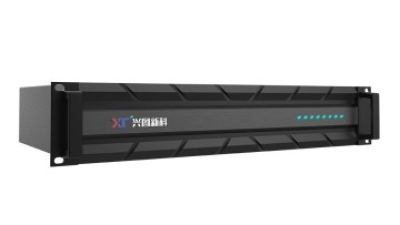
Wuhan Xingtuxinke Electronic Co., Ltd. gets this too—they see the urgency and are stepping up as a high-tech enterprise focused on creating complete solutions that boost performance in smart systems. They’re pretty sharp in networking and video tech, always pushing the envelope with innovative storage options that make accessing and retrieving data a lot easier. By weaving in smart perception, communication, and computing features into their storage solutions, they’re not just tackling the big data challenge—they’re actually helping businesses run smoother and grow faster in this digital age. It’s pretty impressive how they’re making a real impact, huh?
Understanding the Importance of Efficient Big Data Storage Solutions
In today’s world, where data seems to be everywhere, having a good, reliable way to store big data is more important than ever. As companies keep piling up tons of information, being able to store and handle all of it efficiently really becomes a game-changer. It’s not just about keeping data safe; smart storage solutions make sure that information is easy to access whenever you need it, and they also help cut down costs and boost overall productivity. Companies that go for scalable storage options can handle changing data loads without slowing down or hitting performance snags.
On top of that, good storage isn’t just about keeping things safe; it actually makes Data Analysis way more effective. When data’s stored nicely, it’s much faster to process — which means businesses can get insights inreal time and make smarter decisions quickly. These kinds of insights can give companies a serious edge, helping them stay agile and react fast to what's happening in the market. So, in the end, nailing down and using the right big data storage solutions isn’t just a tech thing — it’s a strategic move that can really help businesses thrive in a world obsessed with data.
Types of Big Data Storage Solutions: Comparing Options
When you're dealing with big data, picking the right storage solution is super important if you want things to run smoothly and be scalable. Companies have a bunch of options to consider, each with its own perks. For example, traditional databases like relational database management systems (RDBMS) are pretty solid for handling structured data and running complex queries. But here's the thing—they might struggle a bit when you're talking massive volumes or data that's more messy or varied.
Then there are data lakes, which give you a lot more flexibility—they store all kinds of unstructured or semi-structured data just as it comes, so you don’t have to worry about setting up strict schemas upfront. It’s like having a huge digital storage box—you throw in whatever, and analyze later.
Now, you’ve also got NoSQL options like Cassandra and MongoDB. These are pretty cool because they’re built to handle huge amounts of data spread out across multiple servers, making them a go-to for real-time processing and keeping things up and running smoothly. Plus, cloud storage options like Amazon S3 and Google BigQuery are really scalable—your data grows with you, and there’s no need to bother with managing physical hardware.
Of course, each choice has its pros and cons, so it’s all about figuring out what fits your organization’s specific needs best if you want to get the most bang for your buck and keep things efficient.
Key Factors to Consider When Choosing a Storage Solution
So, when you're choosing a storage solution for enterprise AI workloads, there are a few key things you really want to keep in mind to get the most out of it. I mean, with the global market for lithium iron phosphate batteries expected to hit around $47 billion by 2032, it’s clear that the need for reliable data storage is pretty hot right now. Companies are dealing with a crazy amount of data—think voice recognition, fraud detection, you name it—and their storage setups need to keep pace. That’s part of why the data storage market itself is also booming, projecting to reach about $22.4 billion by 2032.
Performance is another big deal. Enterprises are under more pressure than ever to process data fast and efficiently if they want to stay competitive. For example, initiatives like MLCommons's MLPerf™ Storage v1.0 help benchmark storage speed and performance, giving companies a way to figure out what works best. Plus, investing in good data catalogs—those are expected to grow from around $10.6 billion in 2024 to roughly $45.4 billion by 2032—can really make a difference in how easily teams access and control their data. All of this adds up to better decision-making and smoother operations in a world that’s more data-driven than ever.
Best Practices for Optimizing Big Data Storage Efficiency
When you're trying to optimize big data storage and make things run smoother, following some best practices can really make a difference—both performance-wise and in cutting costs. A good starting point is to use data compression. Honestly, compressing your data can save tons of disk space, which means better storage capacity, and it also speeds up how quickly you can retrieve that data. Plus, picking the right data formats—tools like Parquet or ORC—designed specifically for big data processing can make your storage more efficient and queries a lot faster. Bottom line? It makes data analytics way more straightforward.
Another thing I’d recommend is regularly reviewing and archiving old or seldom-used data. Setting up a proper data lifecycle managementprocess helps keep your primary storage clean and relevant, so you're not cluttered with outdated info. This not only boosts performance but also helps you stay compliant with Data Governance rules. And don’t forget abouttiered storage! Using different storage layers based on how often the data’s needed ensures your most-used info is always accessible while older or less-used data gets archived properly. These little strategies can really maximize your efficiency and support your bigger business goals when it comes to managing big data.
Emerging Technologies for Enhanced Big Data Storage Solutions
You know, emerging tech is really shaking up how we handle big data storage these days. It’s exciting because organizations can now manage huge amounts of info much more smoothly. Things like AI and the Internet of Things (IoT) are playing a big role here, helping to make data management and analysis not just faster but also more accurate. Thanks to these tech advances, companies can crunch complex data in real time, giving them quicker insights. They’re even using predictive analytics powered by AI along with distributed storage techniques to really understand their operations and what their customers want — better than ever before.
And it’s not just that. More and more, organizations are jumping on board with parallel processing and cloud-native storage solutions to handle their big data more effectively. Using distributed file systems lets data be stored in multiple spots, which really boosts how quickly you can access and retrieve it. Plus, there's a growing focus on beefing up data security and making sure everything’s compliant with regulations. As businesses embrace digital transformation, jumping into these new technologies is pretty much essential if they want to stay competitive. It opens doors to new innovation and growth — pretty exciting times!

Real-World Case Studies: Successful Big Data Storage Implementations
In today's world, where data rules everything, more and more businesses are jumping on the big data storage bandwagon to handle massive amounts of information in a smart way. Real-world examples really show how companies are successfully setting up these storage systems to make their operations smoother. Like, for example, a top retail brand managed to implement a cloud-based storage setup that let them analyze customer behavior on the fly. That move didn’t just help them keep better track of inventory; it also allowed them to personalize marketing efforts, which ended up boosting their sales quite a bit.
One thing that’s really important when it comes to getting the most out of your storage is picking the right architecture. Every business has its own unique data needs, so a one-size-fits-all approach doesn’t cut it. A good idea is to go for a hybrid model—mixing on-premises and cloud storage—so you get both quick access and room to grow. Also, using automated data tiering can be a game-changer—this tech helps automatically organize data based on how often it’s accessed, so critical info is always ready when you need it, without breaking the bank.
And don’t forget to regularly check how your storage solutions are performing. By looking at how data is accessed and what it’s costing you, you can figure out if your current setup is actually working or if you need to switch things up. Staying on top of new tech trends is also a smart move—like, for example, adopting AI-driven data tools. These can really make workflows easier and help you retrieve data faster, saving time and hassle.

Maximize Your Footage: The Ultimate Guide to Using the Video Storage Companion for Effortless Media Management
In the world of media management, the need for efficient and reliable video storage solutions has never been greater. The Storage Companion Series has emerged as a game-changer, designed to help users maximize their footage effortlessly. By incorporating advanced technology, these appliances not only streamline the storage process but also enhance the overall management of video assets, allowing content creators to focus on what truly matters—producing great content.
The backbone of the Storage Companion Series lies in its sophisticated features. With layered compression algorithms powered by deep learning, users can expect to save space without sacrificing video quality. Coupled with multi-target motion tracking and intelligent learning capabilities, these devices adapt to your specific storage needs, ensuring that your media is organized and easily accessible. Additionally, high-concurrency video processing technology means that multiple streams can be handled simultaneously, allowing for seamless editing and playback experiences that keep pace with the demands of modern media production.
These innovative solutions redefine how video content is stored and managed, making it easier than ever for creators and professionals to maintain control over their footage. Whether you're an independent filmmaker or a media agency, the Storage Companion Series is your ultimate ally in achieving effortless media management. Embrace the future of video storage and take your projects to the next level with these cutting-edge tools.
FAQS
: Leveraging data compression techniques helps save disk space, improves storage capacity, and enhances data retrieval speeds.
These data formats are tailored for big data processing, leading to more efficient storage and faster query performance, which streamlines data analytics.
Archiving less frequently accessed data ensures that only relevant and up-to-date information occupies primary storage, optimizing performance and maintaining data governance compliance.
Tiered storage solutions classify and store data based on usage frequency, ensuring high-demand data is readily accessible while lower-priority data is archived effectively.
A hybrid model that combines on-premises and cloud storage can provide both speed and scalability to meet unique data requirements.
Automated data tiering helps efficiently manage data placement based on access frequency, ensuring crucial information is accessible while minimizing costs.
Conducting periodic assessments of data access patterns and storage costs can help companies determine if their current solutions meet their needs or if upgrades are necessary.
Keeping abreast of technological advancements, such as AI-driven data management tools, can lead to adopting more efficient storage solutions that streamline workflows and enhance data retrieval processes.
Conclusion
In today's world, where data is king, making the most out of Big Data Storage Solutions is more important than ever for businesses that want to stay ahead. Honestly, understanding why good storage matters is like the first step — it helps you get faster access to your data and makes processing smoother. There are so many types of Big Data Storage options out there, each one with its own perks, tailored to different needs. When choosing the right one, it’s crucial to think about things like how well it scales, its performance, and of course, the cost. No point in breaking the bank if it’s not the right fit, right?
To really boost efficiency, companies should follow some best practices for storage optimization. Plus, keeping an eye on new tech that’s emerging can open up some exciting possibilities in this space. And let’s not forget, real-world stories of successful implementations really show how smart data management and cutting-edge networking can lead to huge improvements. As a high-tech company based in Wuhan, Xingtuxinke is in a strong position to provide full solutions that bring together these ideas and new tech, helping clients unlock the full potential of their data assets. It’s all about working smarter, not just harder.