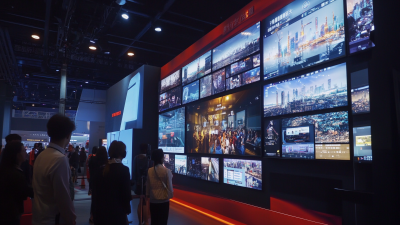
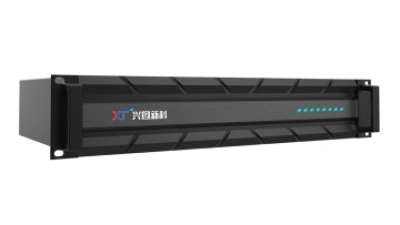
These days, managing and governing video content has become a pretty big deal for businesses wanting to stay efficient and get ahead. If you’ve been keeping up with industry news, you’ve probably seen that almost 80% of organizations see Video Governance as essential—especially when it comes to keeping data safe and staying compliant.  Wuhan Xingtuxinke Electronic Co., Ltd. is really leading the charge here, offering smart systems that blend networking and video tech to make governance smoother and more Streamlined. By putting solidVideo Governance practices in place, companies can not only protect their digital assets but also use their video content to boost performance and keep their audiences engaged. And with video usage exploding faster than ever, having good governance isn’t just a nice-to-have; it’s actually the key to unlocking the full potential of video as a powerful business tool.
Understanding the Importance of Video Governance in Modern Business
 In today's digital world, I really believe that video governance has become a pretty big deal for businesses. With so much video content popping up everywhere—from social media to internal portals—it’s easy to feel overwhelmed. Companies need to make sure those videos are well-managed, secure, and in line with the rules. Having good video governance not only keeps things transparent but also boosts accountability and helps reduce risks.
So, if you’re looking to set up a solid video governance plan, it’s important to start with clear policies—like who can create, edit, or share videos. Setting up a central spot where all your videos live can really make your life easier and help you stay compliant with legal stuff and your own company policies.
It’s also a plus to hold regular training sessions for your team about best practices when it comes to videos. Covering topics like copyright, privacy, and keeping your brand consistent will make sure everyone knows what they’re doing and can produce good quality content responsibly. If you put these practices into action, you’ll be able to leverage the power of video while protecting your company’s reputation and interests in the marketplace.
Key Components of a Comprehensive Video Governance Strategy
In today’s digital world, having a solid video governance strategy is pretty much a must for businesses looking to get the most out of their video assets. Basically, a good plan covers things like managing content effectively, making sure you’re compliant with all the rules, and keeping data secure. I came across a recent report from Wainhouse Research, and it mentioned that companies with clear video policies tend to see about a 30% bump in user compliance, and they also cut down on duplicate content by around 25%. That just shows how important good governance is for making sure videos are used efficiently and without hassle.
Take a company like Wuhan Xingtuxinke Electronic Co., Ltd., which deals with smart systems and networking tech — for them, proper video governance doesn’t just make things run smoother; it also helps protect sensitive information. And with projections saying that by 2025, roughly 82% of all online traffic will be video (according to Cisco’s Internet Report), having a solid governance setup is more crucial than ever. It helps ensure that valuable videos are stored properly, accessed securely, and used appropriately. Putting a good framework in place doesn’t just support strategic goals; it also keeps things compliant and boosts security, giving the company a real edge in this digital age.
Identifying Stakeholders and Their Roles in Video Governance
When you're setting up solid video governance strategies, figuring out who the key players are and what they do is a big deal. Usually, you'll have content creators, compliance folks, IT pros, and marketing teams—each one brings something unique to the table that’s super important for shaping your policies. For example, content creators need clear rules so their videos stay on brand and follow guidelines, while compliance officers make sure everything’s legal and above board. Then there are IT guys managing the tech side, making sure platforms are secure and can handle the load.
Getting a good grip on what each group is responsible for actually helps everyone work together more smoothly, and it even makes them feel more ownership over their roles. Take marketing teams—they should be in the loop during approvals since they know what kind of content resonates with the audience and keeps the brand consistent. Mapping out these roles and relationships means your business can build a governance plan that’s clear, holds people accountable, and speeds up video production. It’s all about collaboration—making sure all voices are heard and that your videos line up with your business goals and comply with the rules too.
Establishing Policies and Procedures for Video Content Management
In today’s digital world, having clear policies and procedures around managing video content isn’t just a good idea — it’s pretty much essential for any business looking to improve how they communicate. Take a company like Wuhan Xingtuxinke Electronic Co., Ltd., which focuses on smart systems and video tech — having a solid governance structure helps make sure their videos are used effectively and securely. This means setting up rules for creating, approving, and sharing videos that match their goals and follow the rules they need to comply with.
Getting your video governance right isn’t complicated, but it does involve some key steps. First off, companies should define what kind of videos they want to make — making sure it fits with their brand message and industry standards. It’s also super important to set up protocols for Storing Videos and controlling access, so sensitive info stays protected but key team members can still get to what they need. Plus, creating clear roles for content management helps everyone stay accountable and makes the whole process run a lot smoother. All these things combined will boost their ability to communicate intelligently and give them a leg up in the competitive tech scene.
Overall, making these strategies work for your business can really level up your video game, ensuring everything's on track and aligned with your bigger goals.
Implementing Tools and Technologies to Support Video Governance
To set up good video governance, companies really need to use the right tools and tech that help out with compliance, security, and managing content. First things first, it’s smart to invest in a solid video content management system—something that makes it easy to store, find, and organize all your videos. These systems should have features like tagging with metadata and powerful search options, so your team can quickly find what they need without jumping through hoops. Plus, it’s super important to have proper permissions and access controls in place, so only the right people can see or edit certain content.

On top of that, using video analytics tools can give you some really valuable insights into how your videos are performing and how viewers are engaging. This helps you figure out what’s working and catch any issues early, like content that might breach company rules or be inappropriate. Sometimes, leveraging machine learning algorithms can also be a game-changer—they can automatically spot content that might violate policies or raise flags, so you can deal with problems before they get out of hand. By combining these technologies thoughtfully, businesses can create a well-organized, compliant video environment that truly gets the most out of their visual content.
Measuring the Effectiveness of Your Video Governance Strategies
When it comes to managing videos effectively, having solid governance strategies is a total game-changer for businesses looking to get the most out of their video assets and boost overall performance. A report from IDC pointed out that companies who set up strong video governance frameworks can see up to a 30% jump in operational efficiency. Basically, this means clear policies around creating, sharing, and saving videos, along with making sure you’re meeting all the necessary regulations, make a huge difference.
At Wuhan Xingtuxinke Electronic Co., Ltd., we really get how important smart systems are for good video governance. Our all-in-one solutions, built with the latest networking and video tech, help businesses put good monitoring and evaluation tools in place. According to Telecompetitor Research, companies that actively track and measure how well their video strategies perform tend to see about a 25% uptick in viewer engagement and retention. By integrating intelligent platforms for perception and communication, businesses can better keep an eye on key performance indicators (KPIs) related to their videos, which in turn helps them make smarter decisions and craft better strategies.
How to Establish Effective Video Governance Strategies for Your Business - Measuring the Effectiveness of Your Video Governance Strategies
| Metrics | Description | Current Value | Target Value | Last Updated |
| Video Engagement Rate | Percentage of viewers interacting with the video | 45% | 60% | 2023-10-01 |
| Video Completion Rate | Percentage of videos watched to the end | 70% | 80% | 2023-10-01 |
| Average Watch Time | Average duration viewers spend watching videos | 2:30 minutes | 3:00 minutes | 2023-10-01 |
| Audience Retention Rate | Percentage of the audience that continues watching after 30 seconds | 55% | 65% | 2023-10-01 |
| Feedback Score | Average score from viewer surveys on video quality | 4.0/5 | 4.5/5 | 2023-10-01 |
Maximizing Mobile Patrol Video Efficiency: Insights from the 2023 Industry Report on Video Acceleration Technologies
In the fast-evolving world of mobile surveillance, efficiency and quality of Video Streaming have become paramount, especially in complex network environments. The insights from the 2023 Industry Report on Video Acceleration Technologies underscore the need for advanced solutions that enhance the reliability and clarity of mobile patrol videos. This is where the Mobile Patrol Video Acceleration Gateway comes into play, representing a significant leap in technology designed to tackle common challenges faced by security personnel on the move.
Utilizing high compression encoding technology, the Mobile Patrol Video Acceleration Gateway ensures that video feeds are transmitted with minimal bandwidth usage while maintaining exceptional quality. Its server-side splicing technology further enhances this capability, allowing for quick recovery and streaming continuity, even in adverse network conditions characterized by packet loss, jitter, or delay. This innovative solution adapts seamlessly to fluctuating network constraints, empowering mobile terminals to receive real-time video content that keeps security teams informed and effective.
With the rising complexity of modern security threats, the need for reliable mobile video surveillance is more critical than ever. The Mobile Patrol Video Acceleration Gateway not only maximizes the efficiency of video streaming but also elevates the overall situational awareness of patrol units. By investing in such cutting-edge technologies, organizations can ensure that their mobile surveillance capabilities remain robust and effective, even in the face of challenging network conditions.
FAQS
: Establishing clear policies and procedures is crucial for enhancing communication strategies and ensuring effective and secure utilization of video content, aligning with company objectives and compliance regulations.
Key elements include guidelines for video content types, protocols for video storage and accessibility, and fostering a culture of accountability through designated roles for content management.
Organizations can establish guidelines regarding the types of video content produced to ensure they align with brand messaging and industry standards.
Businesses should invest in video content management systems (CMS) for efficient storage and organization, along with video analytics tools for engagement insights, and machine learning algorithms for proactive content monitoring.
CMS allow for efficient storage, retrieval, and organization of video assets, incorporating metadata tagging and search functions to locate content easily while enforcing permissions and access controls.
Video analytics tools provide insights into viewer engagement and content performance, helping organizations identify consumption patterns and compliance issues, and improve content management.
Machine learning algorithms can automatically flag content that may violate company policies, allowing for proactive management and prompt resolution of potential governance challenges.
Fostering a culture of accountability through designated roles streamlines video operations and enhances intelligent communication capabilities within the organization.
Protecting sensitive information during storage and accessibility ensures that only authorized personnel can access it, thereby safeguarding the company's interests and maintaining compliance.
By enhancing intelligent communication capabilities and ensuring effective use of video content, companies can strengthen their market position and improve overall operational efficiency.
Conclusion
In today’s fast-changing digital world, getting a grip on Video Governance is pretty much essential for businesses that want to use video tech responsibly and smoothly. When you really get why Video Governance matters, it’s easier to put together solid strategies—things like figuring out who the key players are, what roles they’ll play, and putting together clear policies and procedures for managing video content.
At Wuhan Xingtuxinke Electronic Co., Ltd., we totally get how important smart systems and video tech are for driving success. That's why we’re all about offering integrated solutions that help businesses implement the right tools and tech for good Video Governance. And let’s not forget, it’s super important to keep checking how well these strategies are working. That way, companies can adjust and stay ahead in a pretty competitive market.
All in all, having a thoughtful approach to Video Governance isn’t just a good idea—it’s a smart move to stay on top of things and make the most out of video tech in today’s digital age.