These days, with everything changing so quickly in the digital world, it's super important for businesses to get a grip on Video Data Governance if they want to improve their global procurement processes. A recent study from the International Data Corporation (IDC) shows that about 90% of companies are having a tough time managing their video data effectively. This can really result in all sorts of inefficiencies and missed chances in procurement! Take Wuhan Xingtuxinke Electronic Co., Ltd. for instance. They're a national high-tech company that focuses on smart systems and networking tech, and they totally get how crucial it is to have strong data governance frameworks in place. These frameworks help with keeping everything compliant and ensuring data integrity, but they also open the door for businesses to use advanced analytics to make smarter decisions. As video technology keeps booming, adopting best practices in Video Data Governance is really essential for companies wanting to stay ahead of the game and make the most out of their data assets on the global stage.

Understanding the Importance of Video Data Governance in Global Procurement
When it comes to global procurement, we really can’t overlook how important video data governance is. With more and more companies relying on video for things like training, checking in on suppliers, and keeping up with compliance, the information we collect becomes super valuable. A report from McKinsey even says that organizations using video in their procurement processes could boost their operational efficiency by as much as 25%. But here’s the catch: if we don’t have solid data governance in place, those benefits might end up becoming liabilities, with the risk of breaches and compliance issues hanging over our heads.
So, how do we set up a strong framework for video data governance? It all starts with having clear policies about how we store, access, and use that data. It’s eye-opening to note, according to Gartner, that more than 70% of organizations don’t implement adequate governance measures. This often results in data mishandling and potential regulatory violations—yikes! To steer clear of these traps, consider a few practical tips: First off, make it a regular habit to audit video data usage and access. Next, don’t skimp on robust encryption protocols to protect your sensitive video content. And let’s not forget the importance of training all employees on data governance practices—this can really help create a culture of accountability and compliance.
Moreover, as procurement teams dig into video data for insights, they should really adopt a holistic approach to governance. That means integrating video analytics with their existing data management systems. Industry frontrunners like Accenture have discovered that companies with a unified data strategy can make decisions 30% faster. So, investing in a comprehensive video data governance framework not only helps reduce risks but also amps up the value we get from our video assets—setting the stage for a competitive advantage in the world of global procurement.

Key Challenges in Managing Video Data for Import and Export Certifications
You know, managing video data for import and export certifications can be quite the headache for global procurement professionals. They really have to juggle a lot just to stay compliant and keep things running smoothly. With digital transformation taking the front seat these days, the amount of video documentation needed for regulatory reasons is skyrocketing.
I mean, a report from IDC says that by 2025, video content is going to make up a whopping 82% of all consumer internet traffic! That really highlights how crucial it is to have solid video data governance in place. But honestly, the sheer volume of this data can totally overwhelm the old-fashioned management systems we’ve been relying on. So, it's pretty clear that companies need to invest in advanced solutions that can help make sure everything is accurate and easily accessible.
And let’s not forget about Data Security! Keeping up with international regulations is super important. Deloitte even found that around60% of procurement organizations have a hard time keeping up with the ever-changing compliance requirements, especially in industries like pharmaceuticals and food safety where having video evidence is a must. Plus, there are issues like inconsistent data formats and differing international standards that can really slow things down and add risks to supply chain operations. That’s why it’s crucial to establish a solid governance framework. Doing so can really help organizations tackle these challenges head-on and strengthen their procurement strategies while reducing those pesky compliance risks.
How Video Data Governance Improves Compliance in International Trade
You know, when we talk about the fast-changing world of international trade, one thing that really stands out is how important video data governance has become. It’s not just about following the rules anymore; it’s a vital part of building trust as procurement teams reach across borders. It's pretty clear that effective management of video data is key—not just for ticking the compliance boxes but also for connecting with everyone involved. I mean, with the regulatory landscape getting so complex, driven by all kinds of legal requirements and those pesky carbon footprint laws, staying on top of this stuff is crucial.
And let’s not forget the recent push for solid carbon management strategies. At the end of the day, having good, reliable data is what’s going to help us hit those climate targets we’re all aiming for. Video data governance really helps in capturing and reporting compliance metrics accurately, which is so useful for navigating the ins and outs of carbon taxes and trading. Just look around at different international markets—those organizations that have a solid grip on video data governance tend to fare better when it comes to adapting to new environmental regulations.
They don’t just dodge compliance issues; they also come off as leaders in ethical procurement on the global stage, which is pretty impressive. It’s definitely a win-win situation!
The Role of Advanced Analytics in Optimizing Video Data Usage
These days, video data is becoming super important for companies' global procurement strategies, and that’s where advanced analytics really shines. By using advanced analytics, organizations can dig deep into massive amounts of video content and pull out valuable insights. This helps them make smarter decisions and use their resources more efficiently. It's not just about having all that data; it’s about making sense of it. You know, spotting patterns and trends that might slip through the cracks if you’re just relying on traditional analysis methods.

But that’s not all! When organizations embrace advanced analytics, they're also stepping up their video data governance game. With the right tools in their toolkit, businesses can keep an eye on how video data is consumed and make sure it’s being used ethically and in line with their policies. This approach doesn’t just lower the risks tied to data privacy; it also beefs up their compliance efforts. So, when advanced analytics meets video data governance, it really boosts procurement processes, helping companies stay agile and responsive to market shifts and what consumers are looking for.
Strategies for Effective Video Data Management in Procurement Processes
You know, in our fast-paced digital world, getting a handle on video data management is turning out to be super important for companies everywhere. With more and more organizations using video for things like training, negotiating with suppliers, and even performance reviews, it’s really essential to have strong systems in place for handling all that data. Good video data governance doesn’t just keep you in check with the rules; it also makes your procurement processes way more efficient. By setting clear guidelines for who can access data, how it's stored, and what it can be used for, companies can reduce the risks of data breaches and get better insights into their procurement strategies.
To really make the most of video data management in procurement, businesses should consider some key strategies that fit their unique needs. For starters, using advanced analytics can help track how folks engage with the videos and their effectiveness, which can really shape decision-making and boost collaboration with suppliers. Plus, investing in secure cloud storage means teams can quickly access and share video content while keeping everything safe and sound. It’s also a smart move to train procurement teams on best practices for handling video data; that way, the organization can truly make the most of this valuable resource. As video continues to be a game changer in procurement, following these strategies will be crucial for unlocking its complete potential.
Video Data Governance Impact on Global Procurement
Best Practices for Implementing Robust Video Data Governance Policies
You know, in today’s world of global procurement, having strong video data governance policies is more important than ever. Just look at companies like Wuhan Xingtuxinke Electronic Co., Ltd. As they push the envelope with smart systems and video tech, it's so crucial for them to set up solid practices for data governance. One of the main things they can do? Build a detailed framework that guarantees video data is captured, stored, and handled securely. This means putting strict access controls in place and scheduling regular audits to keep sensitive data safe from prying eyes.
And let’s not forget about the people! Creating a culture where everyone is aware of data responsibilities is key. Training staff on why data governance matters and how to properly manage video data can really help minimize the risks of breaches or misuse. It’s also super important for different departments to collaborate. Procurement folks should team up with IT and compliance to make sure everyone’s on the same page when it comes to video data governance. By putting these practices first, companies can not just protect their data, but also make their procurement process smoother, leading to better business outcomes overall.
Digital Insights Exploring 5 Reasons Why Best Video Data Governance is Essential for Global Procurement
| Dimension | Description | Importance Score (1-10) |
| Compliance | Ensures adherence to legal and regulatory standards. | 9 |
| Data Quality | Maintains accuracy and consistency of video data. | 8 |
| Risk Management | Identifies and mitigates potential data breaches. | 9 |
| Efficiency |
Streamlines data workflows and reduces duplication. | 7 |
| Stakeholder Trust | Builds credibility with stakeholders through transparent practices. | 8 |
Maximize Your Visual Experience: A Comprehensive Guide to Intelligent Video Enhancement Equipment
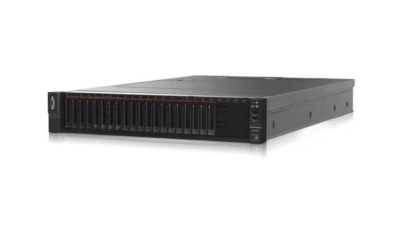
In the ever-evolving world of visual technology, intelligent video enhancement equipment stands out as a game-changer for both casual viewers and professional content creators. Our latest innovation in this field brings cutting-edge devices designed to revolutionize how you experience and interact with video content. By leveraging advanced technologies, such as image dehazing and image sharpening, these devices not only improve visual quality but also immerse you in a more vibrant and engaging viewing experience.
One of the standout features of these intelligent enhancement devices is their ability to effectively remove haze from footage. This ensures that the details in your videos pop, even in challenging environments that often diminish visibility. Coupled with image sharpening capabilities, each frame becomes crisper and richer in color, allowing for a breathtaking clarity that captures the essence of every scene. Whether you're editing home movies or producing professional films, such enhancements can elevate your work to mesmerizing new heights.
Moreover, these devices cater to a diverse range of users, from filmmakers looking to optimize their visual storytelling to everyday consumers eager to enhance their binge-watching sessions. By incorporating such intelligent technology into your video setup, you can maximize your visual experience, transforming how you see the world through a camera lens and beyond. Prepare to unlock a new realm of video possibilities where every detail matters.
FAQS
: Video data governance is crucial in global procurement because it enhances operational efficiency, mitigates risks related to data breaches and compliance, and ensures the effective use of video assets.
Organizations that use video in procurement can improve operational efficiency by up to 25% and enhance decision-making speed by 30% when integrated with existing data management systems.
A robust video data governance framework includes clear policies on data storage, access, and usage rights, regular audits of video data, strong encryption protocols, and employee training on data governance practices.
Over 70% of organizations fail to employ adequate governance measures, leading to data mishandling and potential regulatory violations.
Companies can optimize video data management by leveraging advanced analytics for tracking engagement, utilizing secure cloud-based storage, and training procurement personnel in video data handling best practices.
Video analytics helps organizations track video engagement and effectiveness, informing decision-making and driving supplier collaboration.
Poor video data governance can lead to potential breaches, compliance risks, data mishandling, and regulatory violations.
By maximizing the value obtained from video assets and mitigating risks, comprehensive video data governance allows organizations to make better-informed decisions, ultimately leading to a competitive advantage in procurement.
Training employees in data governance practices fosters a culture of accountability and compliance, ensuring that video data is managed effectively and securely.
Integrating video analytics with data management systems enhances the speed of decision-making and improves the quality of insights drawn from video content.